How Visual Feedback Systems Shape Coordination Patterns During Team Sessions Mixing Racing and Strategy Elements on Browser Platforms
Written by Logan Bennett · Oct 17, 2026
How Visual Feedback Systems Shape Coordination Patterns During Team Sessions Mixing Racing and Strategy Elements on Browser Platforms
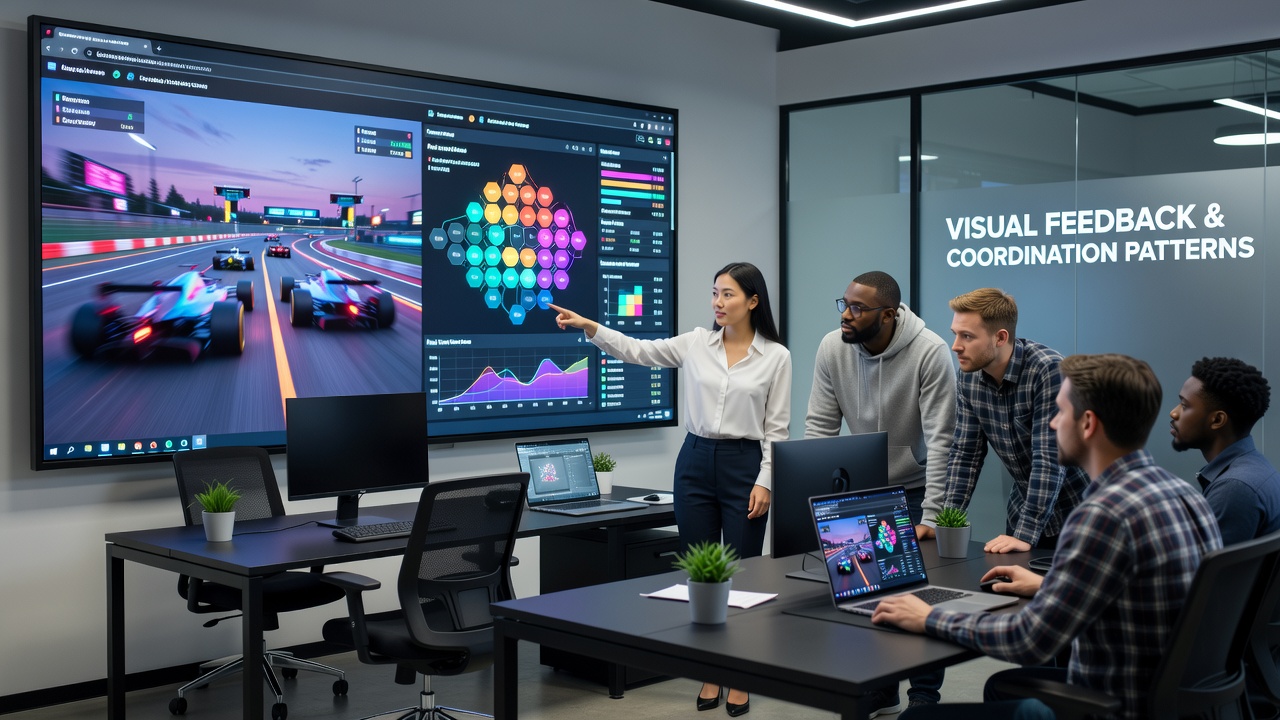
Visual feedback systems in browser platforms deliver immediate graphical cues that guide player actions during team sessions combining racing and strategy elements, and data from platform analytics shows these cues directly influence how groups align their movements and decisions. Researchers tracking sessions in October 2026 note that color-coded indicators, trajectory lines, and proximity alerts appear on shared screens, allowing participants to adjust paths without verbal commands while maintaining formation across competitive tracks and resource allocation zones.
Core Components of Visual Feedback in Mixed-Genre Sessions
Browser environments rely on lightweight rendering engines to present layered information, and studies from the University of Melbourne indicate that real-time map overlays combined with speed differentials help teams synchronize overtakes and defensive positioning. These systems display fuel levels, obstacle warnings, and teammate positions through icons that update every frame, reducing the need for separate communication channels during high-speed segments. Data collected across multiple platforms reveals that sessions incorporating both racing checkpoints and strategic capture points see faster response times when feedback uses consistent iconography rather than text alone.
Participants often encounter dynamic elements such as pulsing arrows for route suggestions and heat maps indicating contested areas, and observers note that these features encourage split-second reallocations of roles within the group. For instance, one documented case involved teams using shared visual pings to mark upcoming turns while simultaneously planning resource drops, resulting in tighter lap times and higher completion rates according to session logs from major browser portals.
Impact on Racing Coordination Patterns
Racing segments demand precise timing for lane changes and boosts, and visual feedback systems supply ghost trails or projected paths that teams can follow collectively. Research indicates that when these projections update based on collective input rather than individual actions, groups maintain better spacing and avoid collisions, with figures from industry reports showing a measurable drop in team wipeouts during peak activity hours. The integration of strategy layers adds checkpoints where visual markers shift from speed-focused to area-control indicators, prompting players to switch from individual acceleration to group flanking maneuvers without breaking momentum.
Strategy Layer Integration and Group Decision Making
Strategy elements introduce resource management and territory control that intersect with racing loops, and visual systems bridge these by highlighting build zones alongside racing lanes through translucent overlays. Teams that respond to color shifts indicating resource depletion often reorganize their racing order on the fly, according to telemetry data gathered in 2026. This approach allows one subgroup to maintain lead positions while another diverts for strategic objectives, and patterns emerge where visual cues serve as silent signals for role swaps.
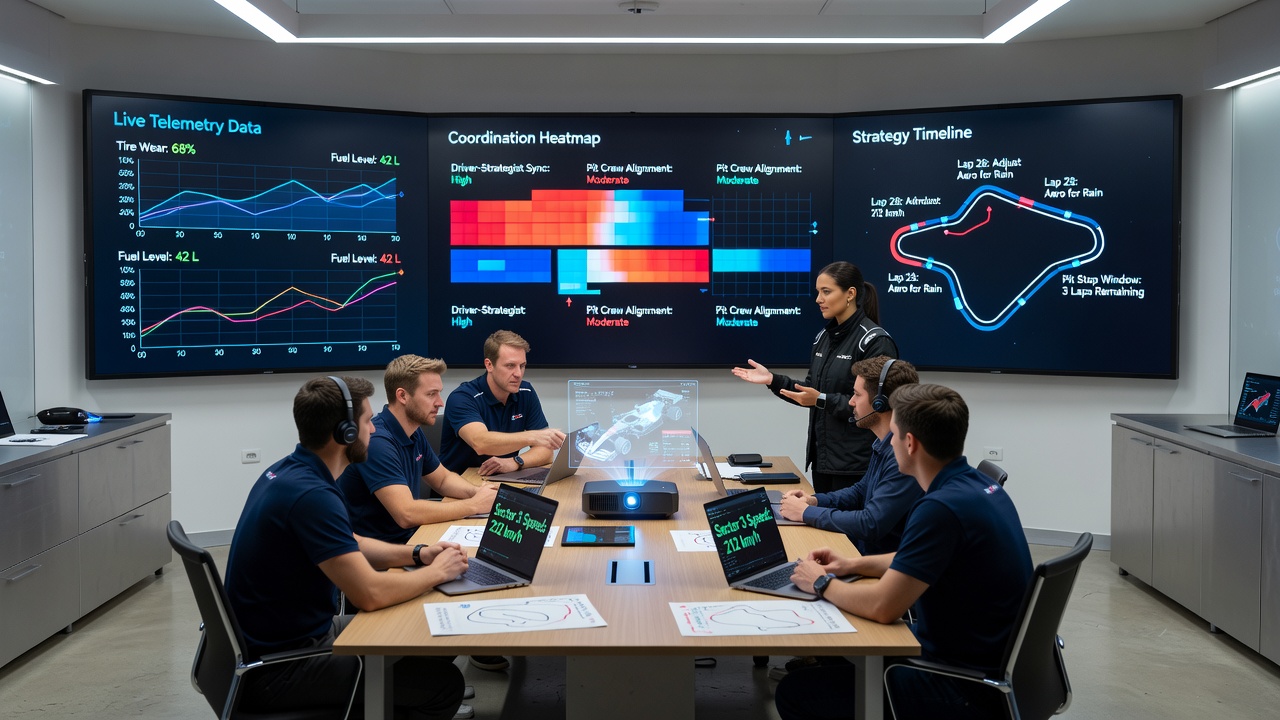
What's interesting is how these systems adapt to varying group sizes, since larger teams benefit from aggregated heat maps while smaller ones rely on individual highlight rings. Evidence from academic tracking shows coordination improves when feedback includes predictive elements, such as estimated arrival times at strategic nodes, allowing preemptive adjustments before conflicts arise.
Observed Patterns Across Browser Platforms
Multiple browser titles released or updated through October 2026 demonstrate similar coordination shifts, with players forming tighter clusters during strategy phases and spreading out during pure racing stretches. Reports from the Interactive Games and Entertainment Association link these patterns to feedback density, noting that platforms balancing visual information load maintain higher retention in team modes. Those who've studied session replays observe recurring formations where lead racers signal upcoming strategy transitions through their highlighted paths, enabling followers to prepare without additional input.
Browser constraints like variable latency receive mitigation through predictive rendering, and this helps preserve coordination even when connections fluctuate. Data shows teams using these adapted visuals achieve comparable outcomes to dedicated client sessions in controlled tests.
Conclusion
Visual feedback systems continue to define how coordination develops in browser-based sessions that blend racing speed with strategic depth, and ongoing platform updates in late 2026 refine these tools further based on aggregate user data. The patterns documented so far point to increased reliance on graphical cues for seamless group performance across mixed gameplay demands.